An Esperanza Resort Wedding Designed to Feel Like a Vacation: Chad and Robert’s Cabo Celebration
Some couples begin planning with a color palette, a guest count, or a specific ceremony setup.
Chad and Robert started with a feeling.
They wanted their wedding to feel like a vacation for the people they loved. Not a trip where guests spent most of their time checking schedules, boarding shuttles, and waiting for the next formal event to begin. They wanted everyone to relax, spend time together, enjoy Cabo, and happen to attend an incredible wedding along the way.
That distinction shaped every decision we made.
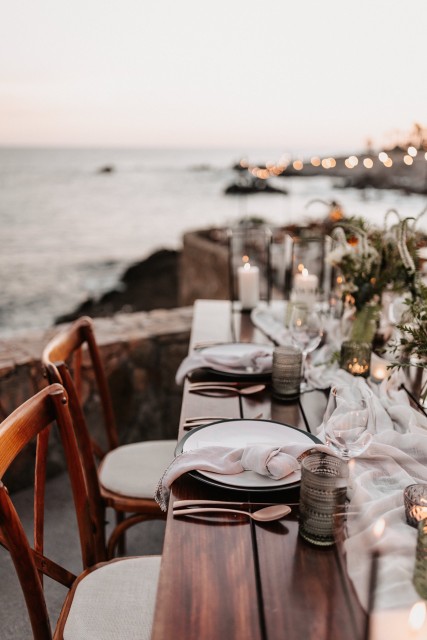
Esperanza, Auberge Resorts Collection, gave us the right home base for that kind of weekend. The property feels private without being isolated, polished without becoming formal, and luxurious in a way that guests can actually enjoy rather than simply admire.
I have worked at many resorts in Los Cabos, and Esperanza remains one of the strongest choices for couples who care as much about how the weekend feels as how the wedding looks.
Why Esperanza Worked for This Wedding
Esperanza does not feel like a large convention resort, even when several things are happening across the property.
That matters more than couples sometimes realize.
At a destination wedding, guests are not only attending a ceremony and reception. They are staying at the hotel, eating breakfast together, meeting at the pool, running into family in the lobby, and spending several days sharing the same spaces.
A resort can be beautiful and still feel impersonal.
Esperanza feels intimate.
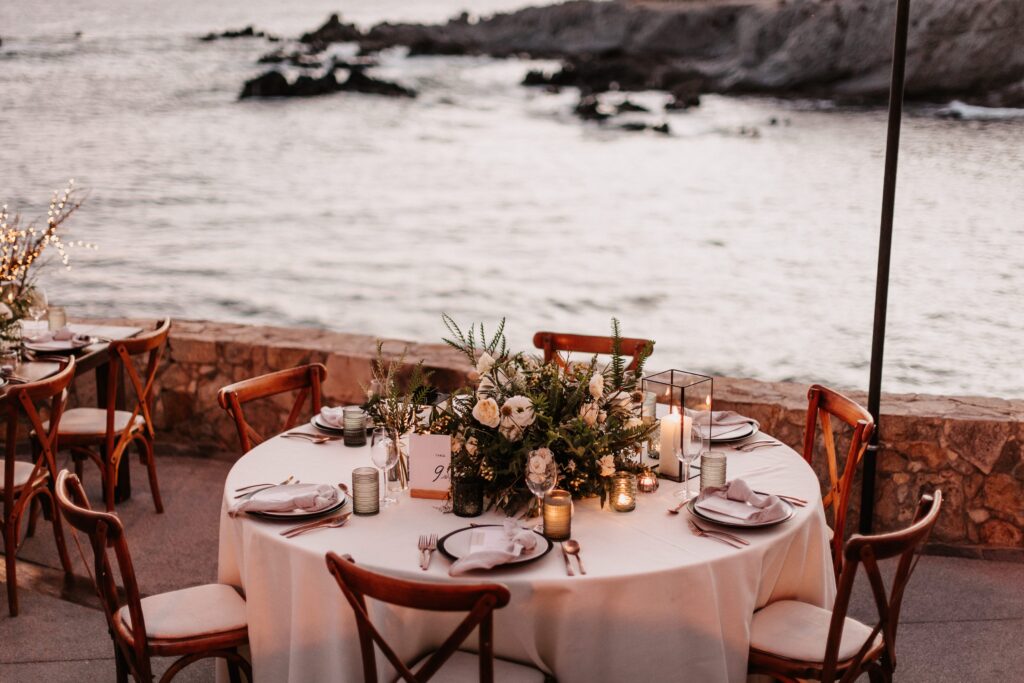
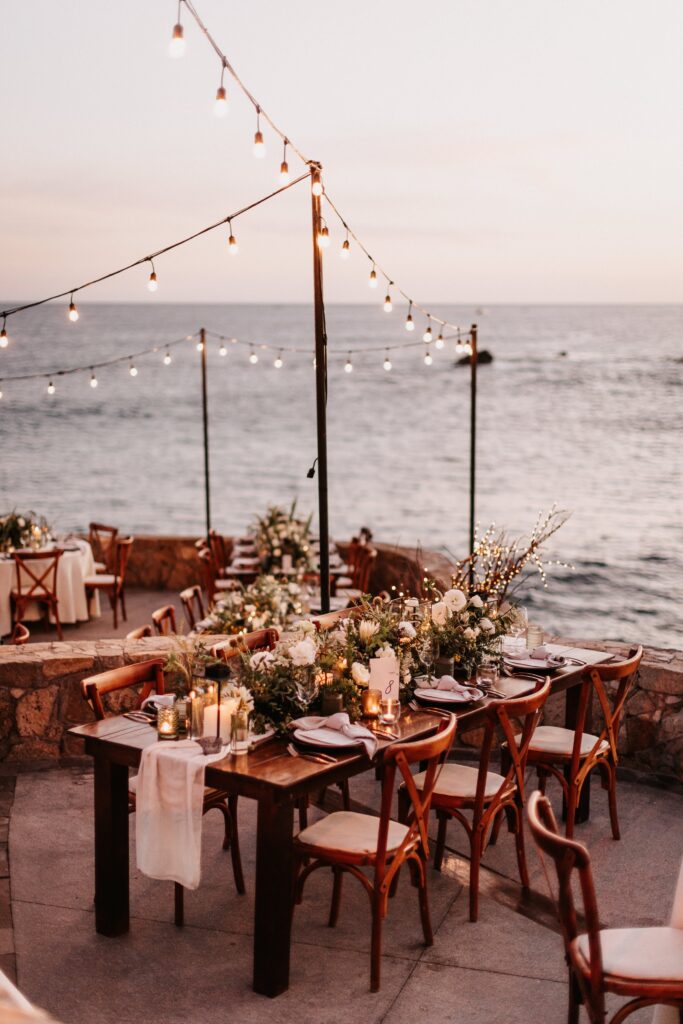
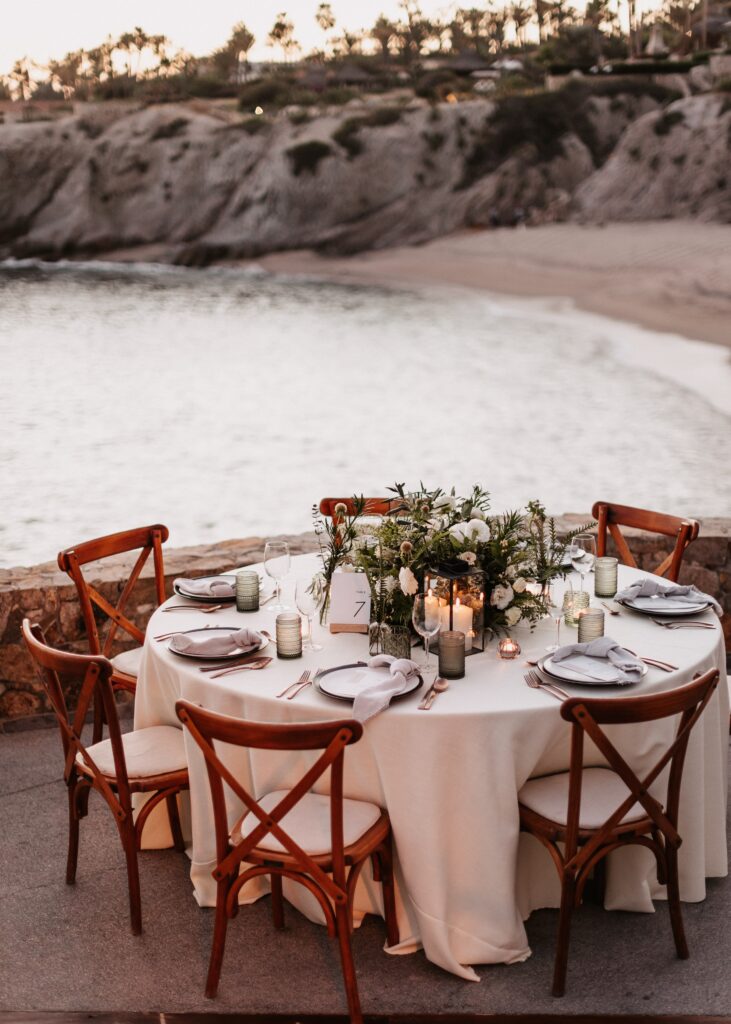
The architecture follows the coastline rather than overpowering it. Guest rooms, restaurants, terraces, pools, and gathering areas feel connected, but the property still has enough separation that each part of the weekend can have its own atmosphere.
For Chad and Robert, that balance was exactly right. Their celebration needed to feel organized without making guests feel managed.
Designing a Weekend, Not Just a Wedding Day
The main planning question was never simply, “What should the wedding look like?”
It was, “How do we make the entire experience enjoyable from the moment guests arrive?”
That meant paying attention to parts of the weekend that may never appear in the wedding photographs.
- How easy was it for guests to get from their rooms to each event?
- Would older relatives and family members with disabilities be comfortable?
- Were the transitions simple enough that nobody needed constant instructions?
- Could guests enjoy themselves without feeling like every hour had been programmed?
Those details were just as important as the flowers, music, rentals, and menu.
One of Esperanza’s strengths is that it allows a wedding weekend to feel full without becoming exhausting. Guests can participate in the celebration while still having time to swim, rest, have lunch, or enjoy the resort on their own.
That sense of freedom is a large part of what made the weekend feel like a vacation rather than an event itinerary.
What Esperanza Does Particularly Well
Every luxury resort promises service.
The real test is what happens when several departments need to work together at the same time.
A wedding touches almost every area of a hotel: events, banquet operations, culinary, rooms, transportation, security, engineering, housekeeping, concierge, and guest services. When communication between those departments is weak, couples feel it immediately.
At Esperanza, the work behind the scenes can remain behind the scenes.
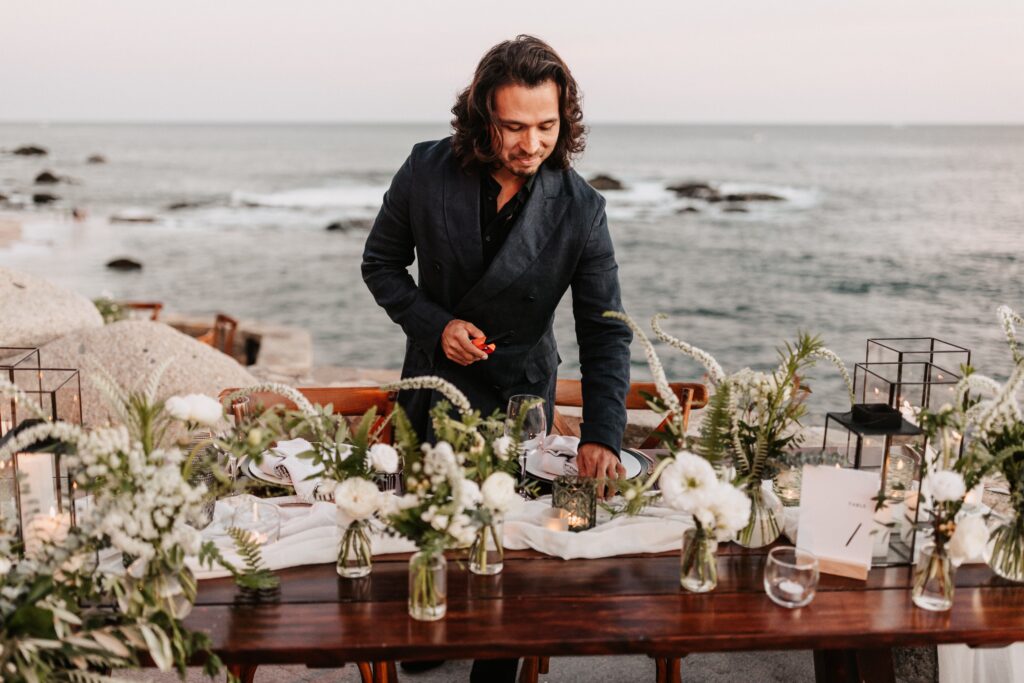
For this wedding, that coordination mattered. We were managing not only the visible parts of the celebration but also guest needs, vendor access, technical production, sound checks, timelines, and the many small adjustments that happen during a live event.
The goal was for Chad and Robert to remain present rather than being pulled into operational decisions.
At one point, Chad came to the sound check for KC Flo because his instinct told him he should be there. He works as a television showrunner, so he is used to supervising creative departments and making sure every technical piece is working.
After a few minutes, he realized there was nothing for him to solve.
That was exactly the point.
A couple should not have to oversee production on their wedding day, even when they understand production better than most people in the room.
A Resort That Supports Different Guest Needs
Accessibility is often discussed too late in the planning process.
It should be considered from the beginning.
For Chad and Robert, taking care of family members with disabilities was not a secondary concern. It affected how we thought about movement, timing, transportation, seating, and communication with the hotel.
A beautiful plan is not successful if some guests struggle to participate in it.
Esperanza’s service team helped us address those needs without making anyone feel singled out. That required advance conversations, clear internal notes, and staff members who understood that hospitality is often about anticipating what a guest may need before they have to ask.
Those efforts are rarely visible to the rest of the wedding.
They are still some of the most important work we do.
The Advantage of Hosting at a Resort
There are Cabo venues where the wedding itself is the destination.
Esperanza works differently.
The resort becomes part of the celebration.
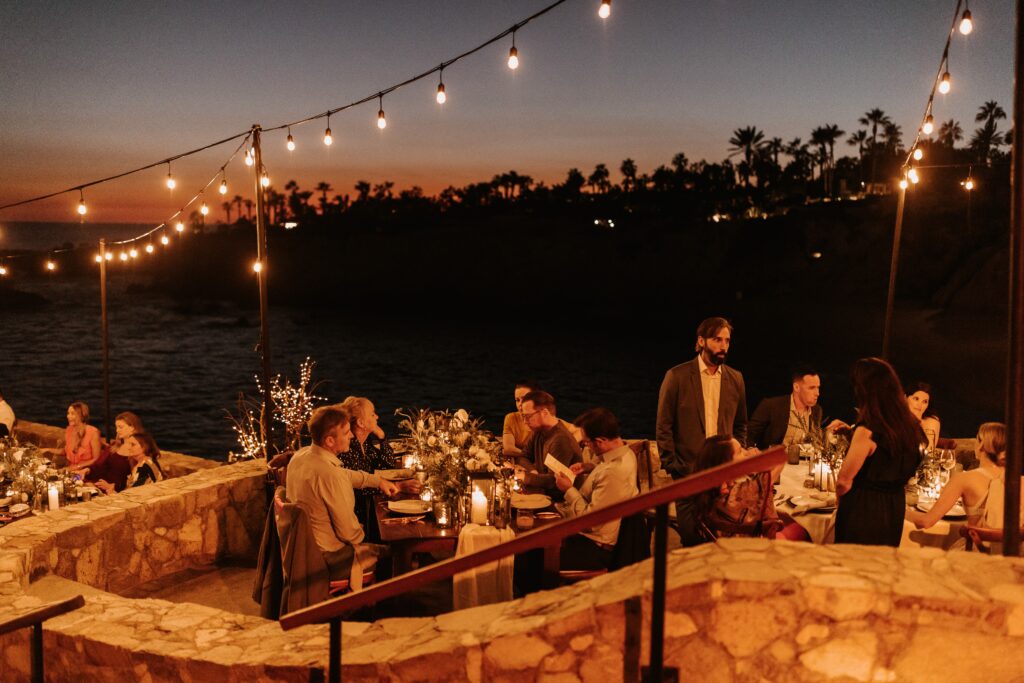
Guests wake up near one another, spend the day together, and arrive at the wedding already settled into the rhythm of the property. There is less friction because they are not constantly being moved between unrelated locations.
That does not mean every event needs to look or feel the same.
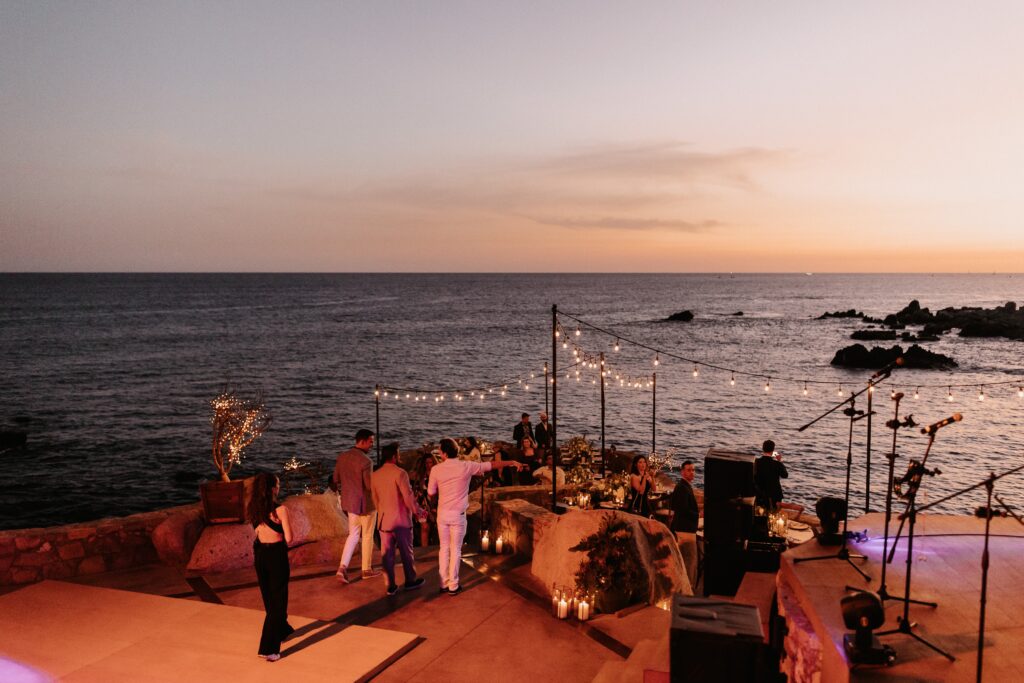
One of the lessons from this wedding was that variety does not always require distance. A welcome event, wedding ceremony, reception, and relaxed resort time can each feel distinct when the property offers enough changes in view, scale, light, and atmosphere.
The setting shifts naturally throughout the day. Morning at the pool feels completely different from cocktails at sunset. A terrace changes once dinner begins. A space that feels serene during the day can become energetic after dark with the right music and production.
That flexibility is one of the reasons Esperanza works so well for multi-day celebrations.
Planning From Afar Without Making It a Second Job
Chad and Robert were deeply involved in the creative direction, but they did not want wedding planning to take over their lives.
That sounds obvious. In practice, it requires discipline.
Destination wedding planning can easily become a chain of disconnected decisions: choose a florist, review rentals, compare menus, approve a photographer, discuss transportation, revise the timeline, confirm entertainment, and repeat.
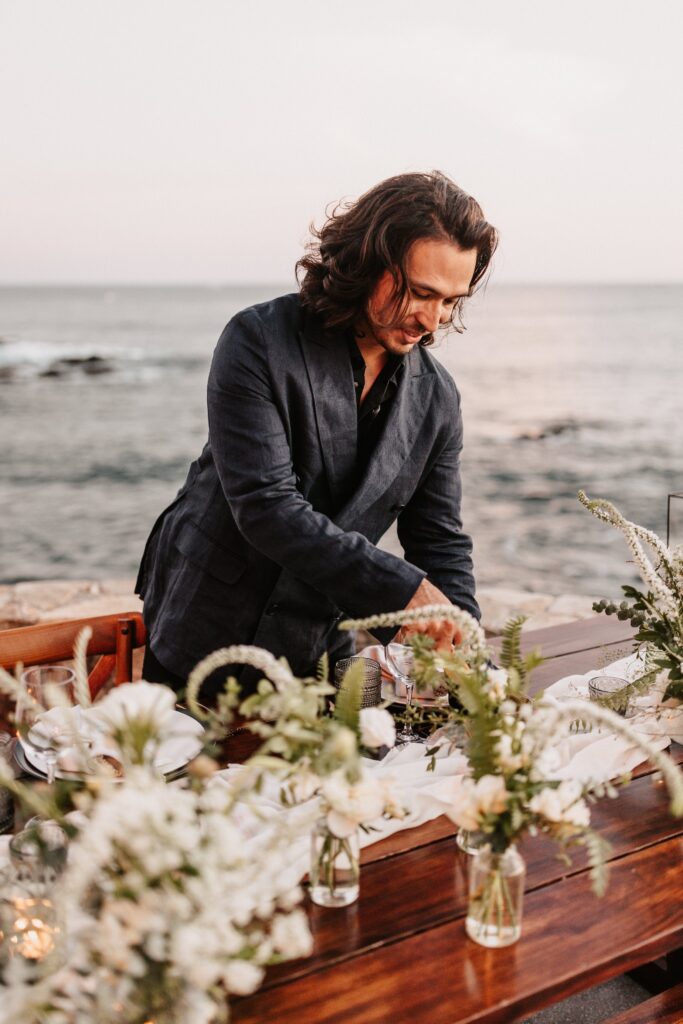
My role was to connect those decisions so they did not have to manage each vendor as a separate department.
We used their planning trip to Cabo strategically. Instead of filling their time with unnecessary appointments, we focused on the decisions that were better made in person: experiencing the hotels, tasting the food, reviewing floral direction, looking at rentals, and meeting the creative partners who would shape the wedding.
That trip gave them context.
After that, our calls could be focused and productive because they understood the spaces, the team, and the overall direction. They did not need to revisit every decision repeatedly.
Chad later said they never felt as though they were spending too much time planning the wedding.
That was one of the best compliments I could receive because it meant the process had done what it was supposed to do.
Warmth Was the Real Design Brief
After the wedding, their guests kept using the same words.
Warm.
Fun.
Seamless.
Effortless.
Those reactions were more meaningful than hearing that the wedding was beautiful.
Beauty can be created through décor. Warmth comes from how a celebration is structured.
It comes from giving guests enough time to connect.
It comes from choosing entertainment that feels right for the room.
It comes from making family members feel cared for.
It comes from avoiding long pauses, confusing transitions, and moments where guests are unsure what happens next.
The design, production, and timeline were all built to support that feeling.
Nothing was included simply because a wedding was “supposed” to have it. Each choice had to contribute to the atmosphere Chad and Robert wanted.
The Moment That Captured the Weekend
There is one moment from this wedding that still makes me smile.
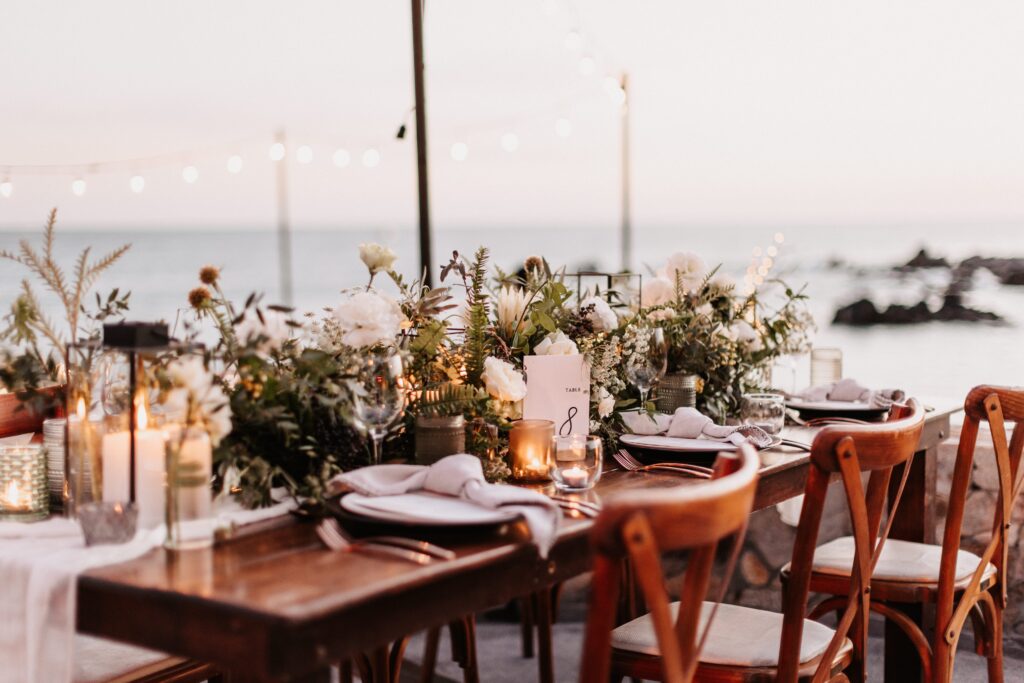
KC Flo was performing “Lady Marmalade,” the party had fully taken off, and Chad and I looked at each other across the reception.
There was no conversation.
Just a nod and a look that said, “Yes. This was the right decision.”
One of their friends noticed the exchange and later told Chad he could see how much fun we had planning the wedding together.
He was right.
Planning should not feel like a transaction between a couple and a vendor. The best work happens when there is trust, honesty, and enough comfort to take a creative idea seriously—even when it may sound ambitious at first.
By the time the band reached that song, months of conversations, site visits, tastings, technical planning, and hotel coordination had disappeared into a few minutes of pure fun.
That is the strange reward of wedding planning.
When the work is done properly, nobody should be thinking about the work anymore.
What Couples Should Know About an Esperanza Wedding
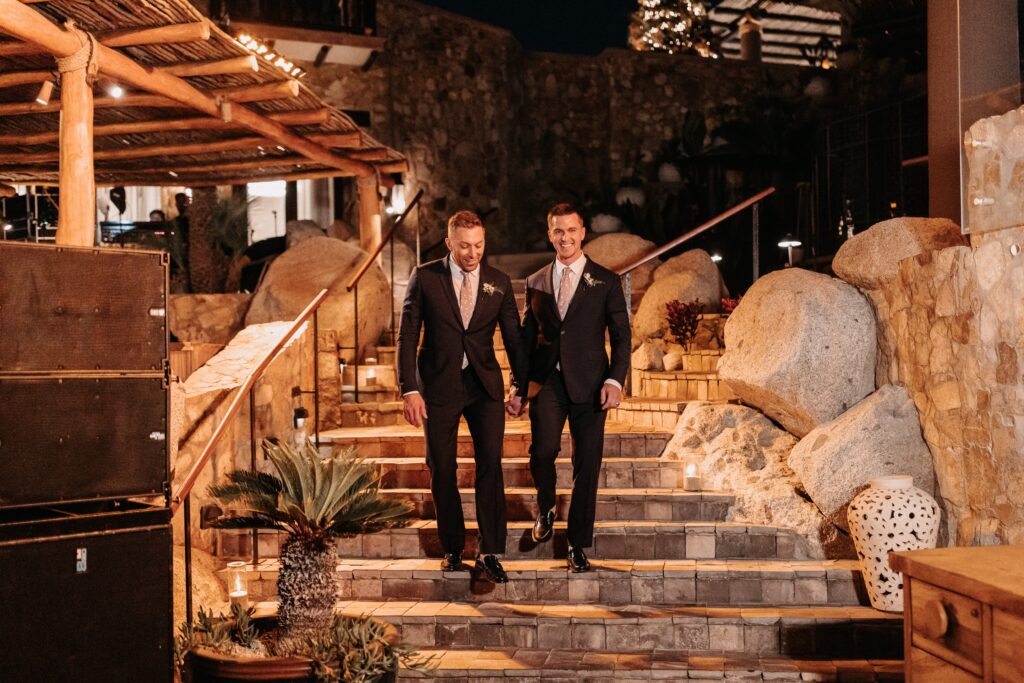
Esperanza is especially strong for couples who want a resort wedding that feels private and personal.
It is not the right choice simply because it is luxurious. Cabo has many luxury hotels.
Its real value is the combination of setting, service, manageable scale, and guest experience.
Couples considering the property should think beyond the ceremony view and ask how they want their guests to spend the full weekend.
- Do you want everyone staying together?
- Do you want guests to have resort time between events?
- Do you have relatives who may need additional assistance?
- Would you prefer a wedding that feels refined but not overly formal?
Those questions will tell you more than a list of venue capacities ever could.
Esperanza works best when the resort is treated as part of the wedding experience, not only as the place where the reception happens.
Emm’s Take
Esperanza understands a type of luxury that is becoming harder to find.
It does not rely on spectacle.
The property feels special because guests are well cared for, the scale remains personal, and the ocean is present without every space feeling designed around the same view.
For Chad and Robert, it became the setting for exactly the wedding they had described during our first conversations: a vacation for their family and friends, filled with warmth, laughter, great music, and very little visible effort.
Of course, there was a great deal of effort.
There always is.
But guests should never feel the logistics of a wedding. They should feel welcomed, comfortable, and completely free to enjoy it.
That weekend, they did.


Be the first to comment